
Why Colorado Springs Crawl Spaces Get Damp, and What a Wet Crawl Space Does to Your Home
People move to Colorado for the dry air and assume a crawl space takes care of itself. Under most of the Front Range it does the opposite. Clay soil pushes moisture up from below while open foundation vents pull humid air in from above, and the crawl stays damp long after the weather turns dry. Here is why it happens in Colorado Springs, what that moisture quietly does to the house above it, and how a crawl space gets dried out for good.
A crawl space is the part of the house nobody looks at until something upstairs goes wrong. By then the floors feel soft, the air has a smell, or a home inspector has flagged it during a sale. Almost every one of those problems traces back to the same root cause around here, and it is not a leak. It is the way our soil and our climate work on a vented crawl space day after day.
What a Damp Crawl Space Is Actually Telling You
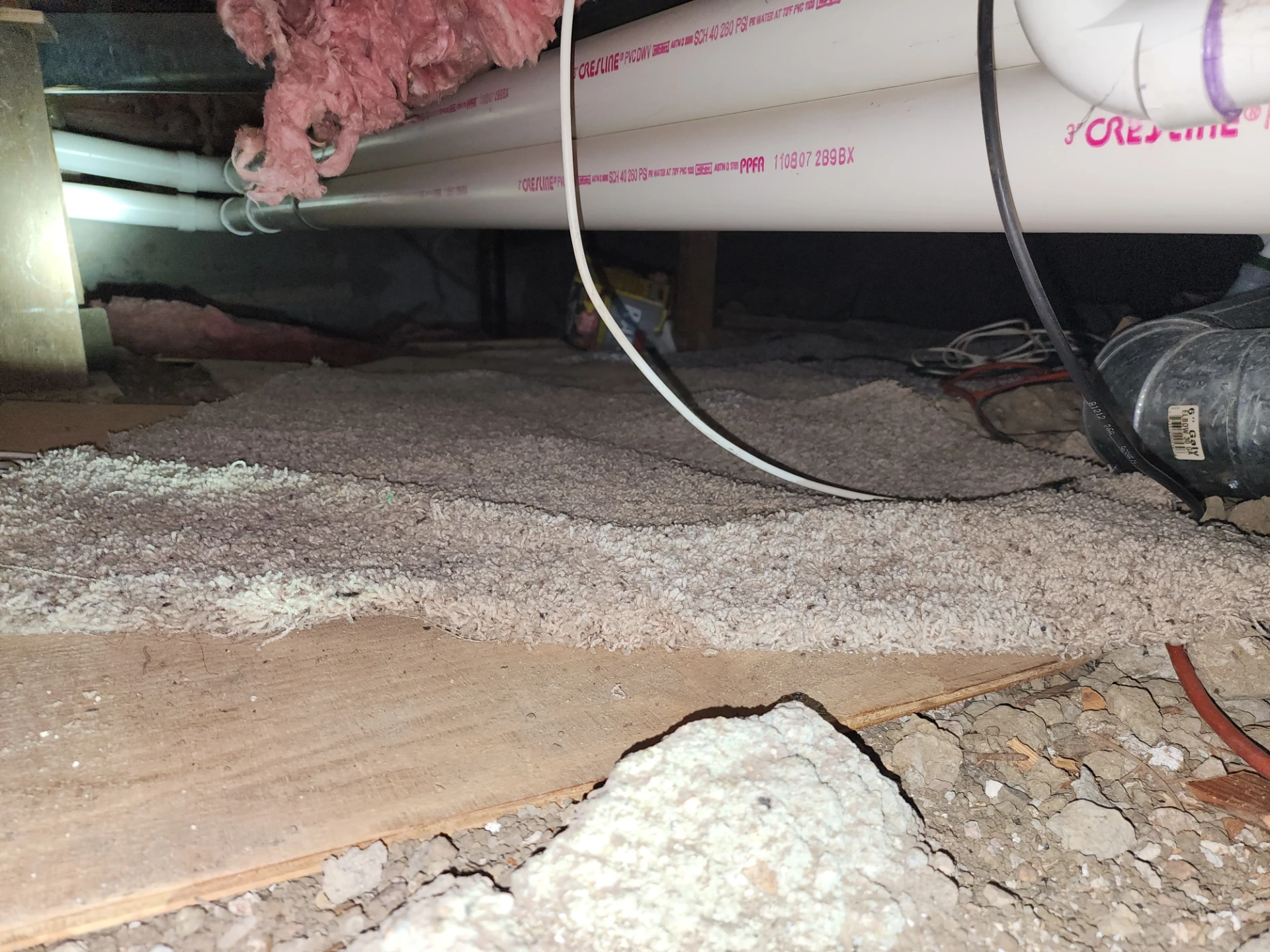
Moisture in a crawl space is not random. It is the ground and the air meeting on the surfaces down there. Water moves up out of the soil as vapor and settles on the dirt floor, the framing, and any cold pipe or duct. On top of that, the vents in your foundation let outside air in, and in summer that air carries more moisture than the cool crawl can hold. The result is wood that stays wet, insulation that sags and falls, and a dirt floor that never really dries.
None of this stays in the crawl space. Air rises through a house. The air sitting in your crawl works its way up through the floor and into the rooms you live in, carrying its moisture, its smell, and whatever is growing on the wood along with it. That is why a damp crawl is a whole-house problem, not a basement one.
Why Colorado Springs Crawl Spaces Hold Moisture
The soil is the start of it. A lot of El Paso County and the wider Front Range sits on expansive clay, the kind of ground that swells when it takes on water and shrinks back when it dries. Clay holds water tight and gives it up slowly, so the dirt under a crawl space stays damper than people expect in a place this dry. That moisture has nowhere to go but up, into the crawl.
Snowmelt and our summer monsoon add to it. A spring thaw or a hard afternoon storm soaks the ground around the house, and if the grading or the downspouts send that water toward the foundation instead of away from it, the soil under the crawl holds even more. The same clay behavior drives foundation cracking too, which we get into in our piece on how Colorado's drought and monsoon cycle cracks foundations.
The Venting Mistake That Makes It Worse
For decades, crawl spaces were built with vents on the idea that outside air would keep them dry. In our climate that logic backfires. On a humid summer afternoon the dew point of the outside air can sit above the temperature of a cool crawl floor. When that warmer, wetter air drifts in through the vents and touches the cold wood and pipes, it leaves liquid water behind, the same way a glass of ice water sweats on a hot day. Run that for three monsoon months and the framing never gets a chance to dry out.
That is the reason sealing the vents and controlling the crawl space air does more good here than any amount of airflow. A sealed, conditioned crawl holds steady instead of swinging wet every afternoon. Our page on crawl space encapsulation walks through what a complete sealed system includes.
What Moisture Does If You Leave It
Signs a wet crawl space is already reaching the rest of the house:
- • A musty or earthy smell in rooms above the crawl
- • Floors that feel soft, springy, or uneven to walk on
- • Condensation, standing water, or wet insulation when you look down there
- • Mold or dark staining on the floor joists and subfloor
- • Higher humidity and climbing heating or cooling bills upstairs
- • More spiders, ants, or other pests finding their way in
The one that costs the most is rot. Wet framing softens over time, and sagging, bouncy floors are often the first thing a homeowner actually notices. That musty smell is worth paying attention to on its own, which we cover in our guide to fixing a musty basement smell. None of it fixes itself, and it does not slow down on its own either.
Not sure how wet your crawl space really is?
A free inspection tells you what is going on under your floor and what it actually needs, with no pressure to buy anything.
How a Crawl Space Gets Dried Out for Good
Drying a crawl space the right way means dealing with both the water coming up from the soil and the humid air coming in from outside. Skip either one and the problem comes back. A complete job generally runs in this order:
Clean out and assess
Soaked old insulation, debris, and torn plastic come out first, and any mold on the framing gets treated before anything is sealed up. You cannot dry a crawl you have buried under wet material.
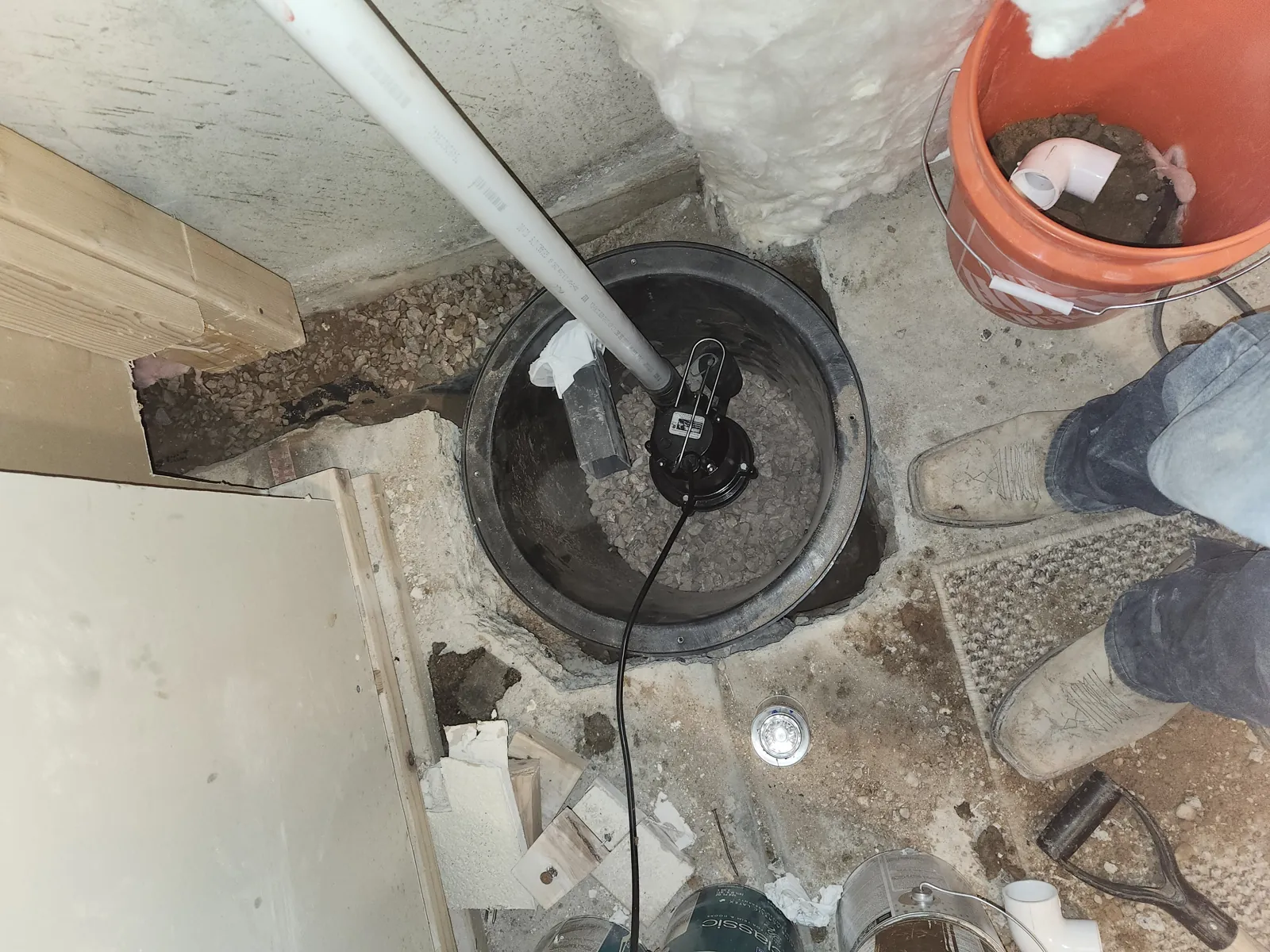
Drainage and a sump where it is needed
If the crawl takes on standing water, a perimeter drain and a sump basin give that water a way out before the liner goes down. On a crawl that only battles vapor, this step may not be necessary.
How crawl space drainage works →Seal the vents and encapsulate
The vents get closed, a heavy liner seals the floor and walls, and the crawl becomes part of the conditioned space instead of fighting the outside air. A dehumidifier holds the humidity steady year round.
What encapsulation includes →If the crawl has gotten wet enough to leave floors sagging, the fix may also involve supporting the framing from below, which we cover on our crawl space repair page. For homes that fight water on more than one front, sealing the crawl usually goes hand in hand with basement waterproofing in Colorado Springs.
What the Work Typically Costs
The size of the crawl, how much water it takes on, and how much cleanout it needs all move the number, so there is no flat rate that fits every home. A dry crawl that wants a liner sits at the light end. One that pools water and needs drainage and a sump runs higher, since that is the biggest single piece of the job. We measure and inspect before quoting rather than reading a price off the phone. Our guide on crawl space encapsulation cost in Colorado lays out the ranges and what pushes a quote up or down.
Frequently Asked Questions
The Takeaway
A damp Colorado Springs crawl space is not bad luck and it is not a leak you can patch. It is the soil and the climate working on a vented crawl, and the fix is to stop the water from below and the humid air from above. Caught early, before the framing softens, it is a straightforward job that cleans up the air in the whole house.
Dealing With a Damp or Musty Crawl Space?
Get a free inspection. We will look at the moisture, the framing, and the drainage, and tell you what the crawl actually needs, with no pressure to buy.