
Snowmelt and Basement Water in Colorado Springs: Where the Water Comes From and How to Stop It
A lot of basements along the Front Range stay dry all summer and then take on water the week the snow melts. That is not bad luck. Snowmelt soaks the ground slowly and from every side at once, the soil around the foundation stays saturated for days, and the water finds the weak point where the wall meets the floor. Here is where the meltwater comes from, the path it takes to get in, and what actually keeps it out.
The timing is the tell. If your basement only gets damp when the snow goes, the water is coming from the melt, not from a plumbing leak or a single storm. Understanding how snowmelt behaves around a house is the whole key to stopping it, because it moves very differently from rain.
Why Snowmelt Is Different From Rain
Rain hits, runs off, and is mostly gone within hours. Snowmelt does the opposite. A snowpack sits against the house and in the yard and lets go of its water slowly as it thaws, sometimes over several days. During that stretch, the soil around your foundation does not get a chance to drain. It stays soaked, top to bottom, on every side of the house at once.
Soaked soil is heavy soil, and it holds a lot of water right up against the foundation. That raises the water table under the house and loads the walls with pressure they do not carry the rest of the year. It is the same saturated-ground behavior that drives our expansive clay to swell, which we get into in our piece on Front Range clay soil and foundations. For a basement, the result is simple: water looking for a way in, with time on its side.
Where Meltwater Collects and How It Reaches Your Wall
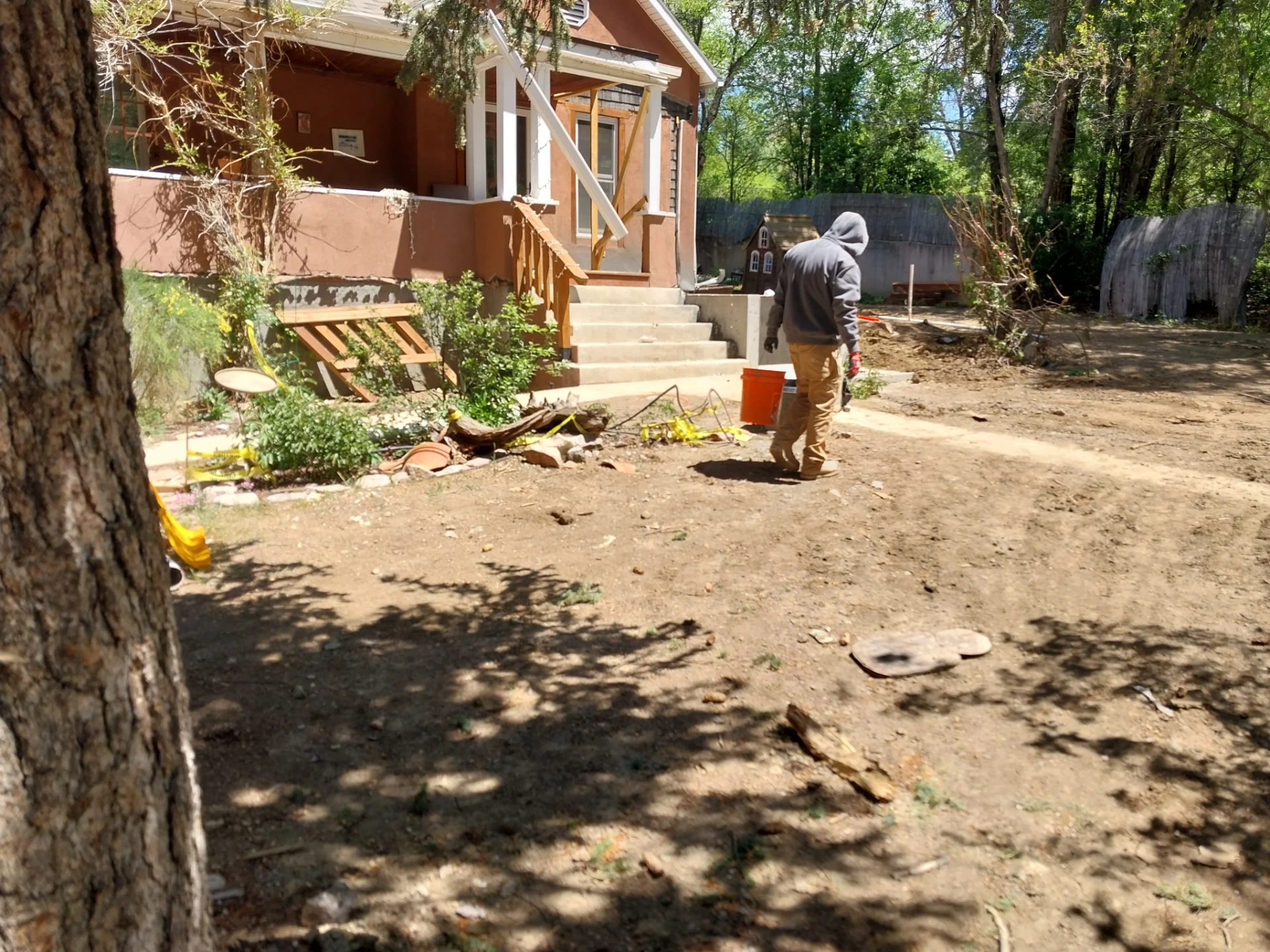
Meltwater follows gravity and slope, and most yards quietly send some of it toward the house. A few spots do the most damage:
- Low spots and slope toward the house. If the yard tilts back toward the foundation, melt pools against the wall and soaks straight down beside it.
- Walkways, patios, and driveways. Flat hard surfaces shed melt sideways, and if they pitch toward the house they deliver it right to the foundation edge.
- Downspouts that quit at the wall. A downspout dumping snowmelt off the roof a foot from the foundation is feeding the exact spot you want to keep dry.
- North and shaded sides. Snow lingers longest where the sun does not reach, so those walls get the longest soak of all.
All of it ends the same way. The soil beside the foundation stays saturated, the pressure builds, and the water starts looking for the easiest path through.
The Wall-Floor Seam, the Weak Point Water Finds
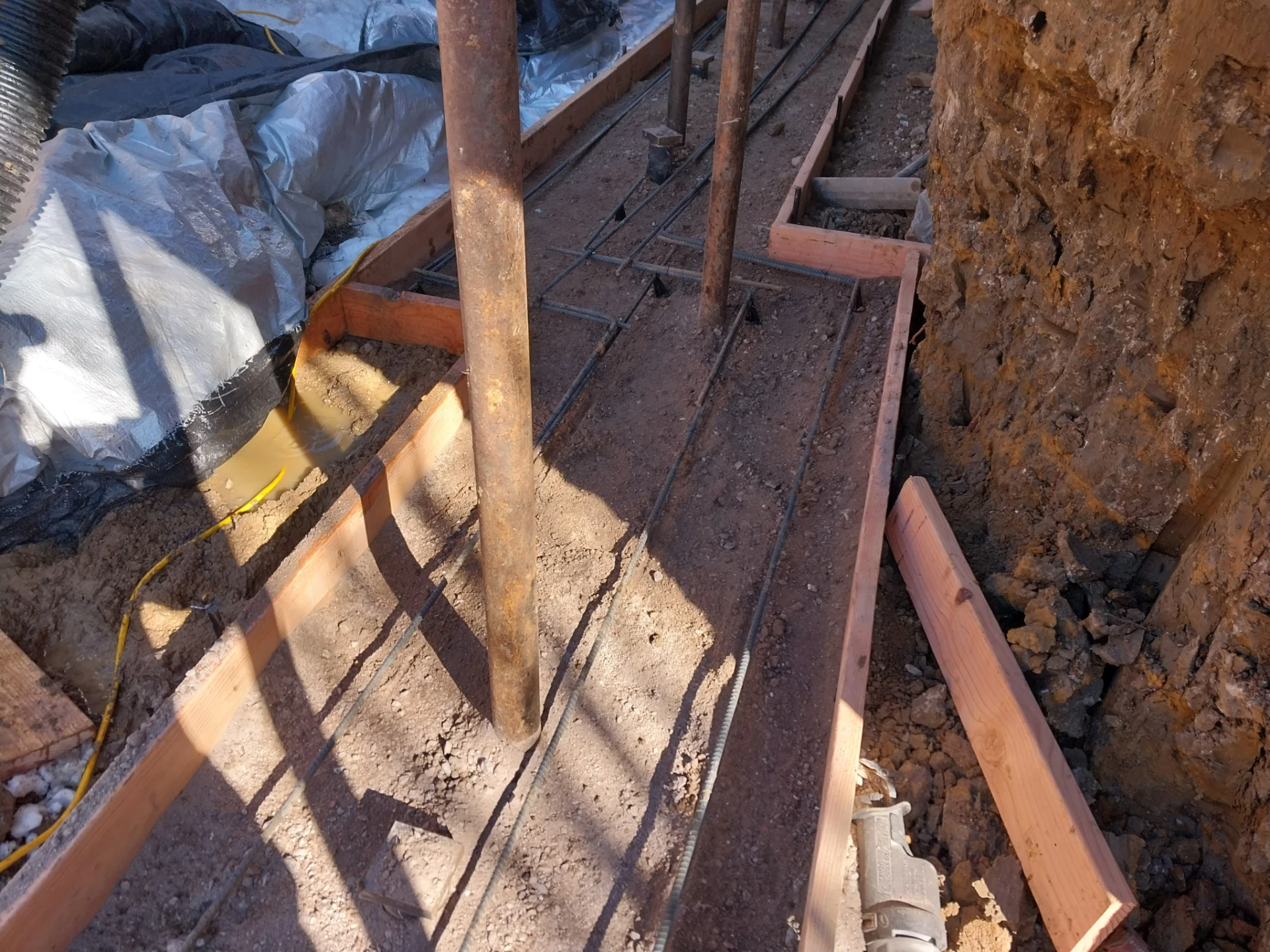
A poured foundation is not one solid piece. The footing goes in first, then the walls are poured on top of it, and the basement slab is poured later between the walls. That leaves a joint where the wall meets the floor, called the cove or wall-floor seam. It is not a defect, it is just how the house was built, and it is the natural low point where saturated soil pushes water through first.
So when people tell us water is seeping up along the edge of the basement floor after a thaw, that seam is almost always the route. Cracks in the wall are the second path. Chasing either one with a bucket of sealant does nothing about the pressure behind it, which is why the water keeps coming back every melt.
What You See Inside When Meltwater Gets In
Signs snowmelt is finding its way into the basement:
- • A damp line or water tracking along the base of the wall after a thaw
- • Water seeping up where the floor meets the wall
- • Puddles in the same low corner every spring
- • Efflorescence, the white chalky residue left behind as water dries
- • A musty smell that shows up in late winter and spring
- • Peeling paint, damp drywall, or ruined storage along the lower wall
A damp seam that shows up once a year is easy to shrug off. The trouble is it rarely stays once a year. Each wet season works the seam a little harder, and a corner that weeps today becomes a corner that pools later. That musty smell is worth acting on too, which we cover in our guide to fixing a musty basement smell.
Basement taking on water every time the snow melts?
A free inspection traces where the meltwater is actually getting in and tells you what will keep it out, with no pressure to buy anything.
How the Water Actually Gets Stopped
A lasting fix works the water in layers, starting outside and moving in only as far as the house needs. Most homes do not need all of it, and an inspection sorts out which layers yours calls for.
Grading and downspouts first
Sloping the soil away from the house and carrying downspouts well out into the yard takes the easy water off the foundation before it ever soaks in. It is a low-cost first step that does real work, and sometimes it is enough on its own.
Exterior waterproofing and perimeter drainage
Where water keeps reaching the wall, a membrane on the outside of the foundation and a perimeter, or French, drain at the footing intercept it before it gets through. This is the layer that handles the pressure of saturated soil directly.
How perimeter drainage works →Interior drainage and a sump
When the water table rises at the seam no matter what you do outside, an interior drain along the base of the wall catches the water and sends it to a sump that pumps it out. This is what keeps a basement dry through the worst of a long thaw.
Interior drainage systems →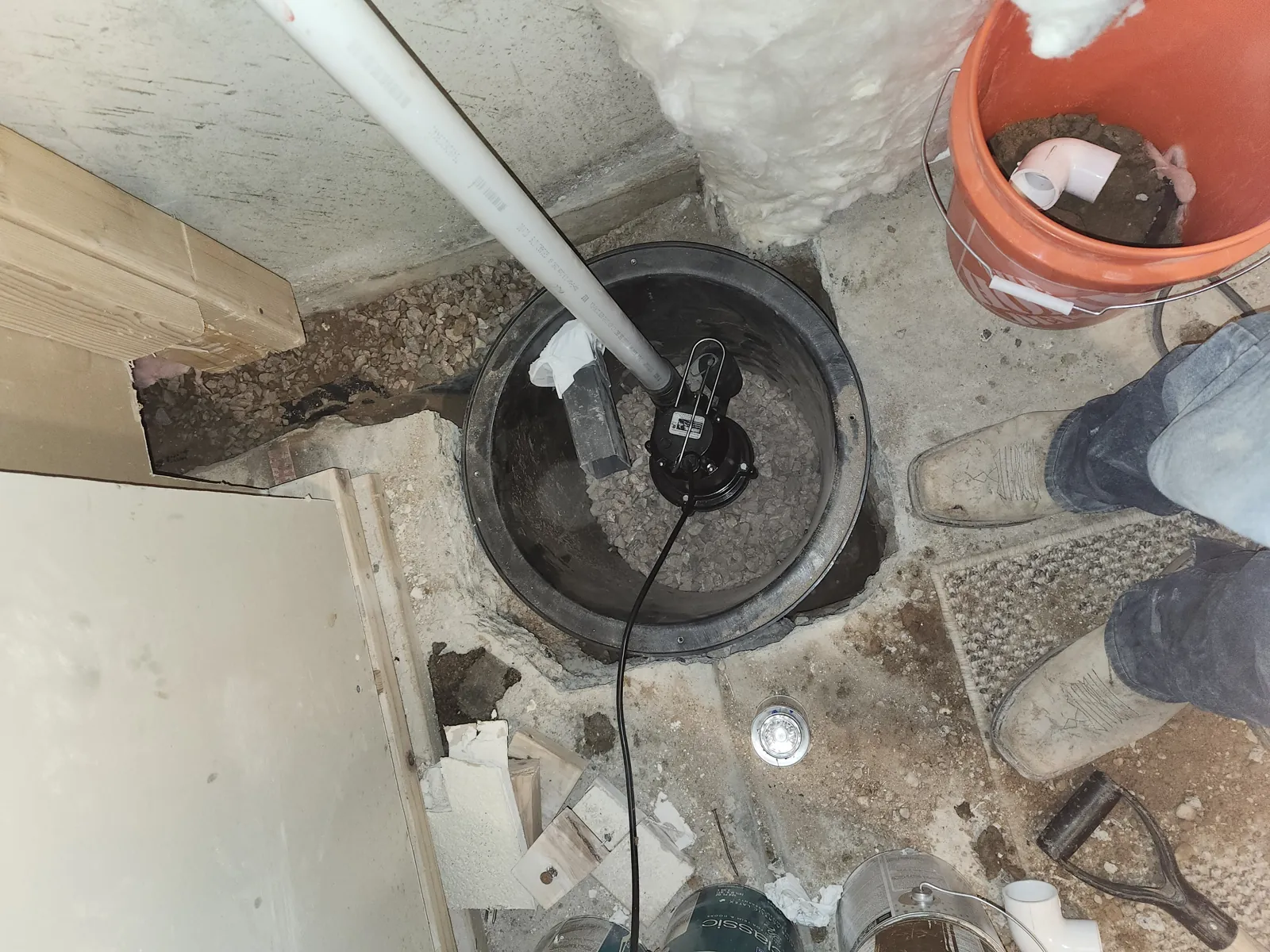
Which layers a home needs depends on how the water is getting in, which is exactly what an inspection pins down. The full picture of our approach is on our basement waterproofing in Colorado Springs page, and the related soil movement is covered on our Colorado Springs foundation repair page.
Frequently Asked Questions
The Takeaway
Snowmelt in the basement is a seasonal problem with a permanent fix. The water comes from saturated soil that sits against the house for days and pushes in at the wall-floor seam. Handle the water in layers, starting with grading and ending, where needed, with interior drainage and a sump, and the basement stays dry through every thaw instead of flooding through each one.
Water in the Basement Every Thaw?
Get a free inspection. We will trace where the meltwater is getting in, tell you which fixes your home actually needs, and recommend work only where it truly helps.